mass spectroscopy of glutathione Detection Reactive Metabolites Using Isotope-Labeled Trapping and Simultaneous Neutral Loss and Precursor Ion Scanning with Ultra-High-Pressure Liquid Chromatography Triple Quadruple Spectrometry skin whitening injection bpc-157 safety regulatory status Size:20x2 ml
bpc-157 safety regulatory status fda warning reviews BPC-157, TB-500 and other peptides favored by RFK Jr. - WSB-TV Channel 2 bpc-157 safety regulatory status fda –
These GI effects are the best-supported use in animal data
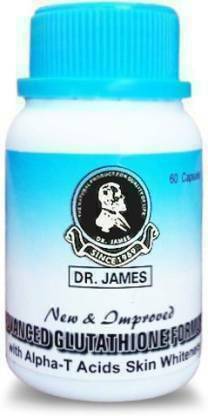
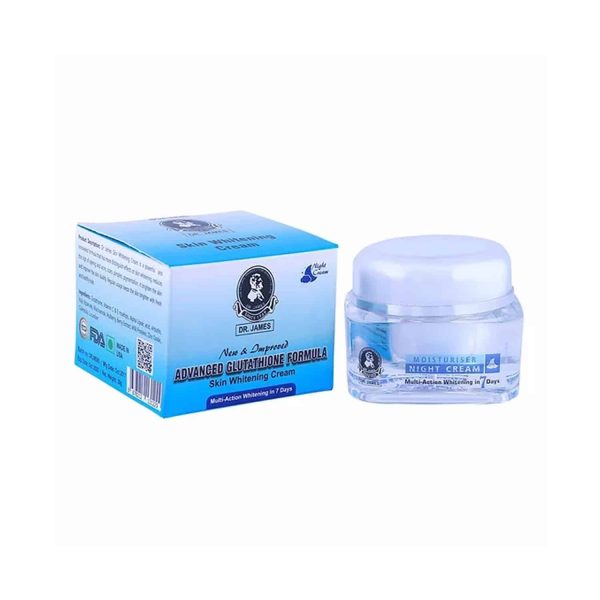
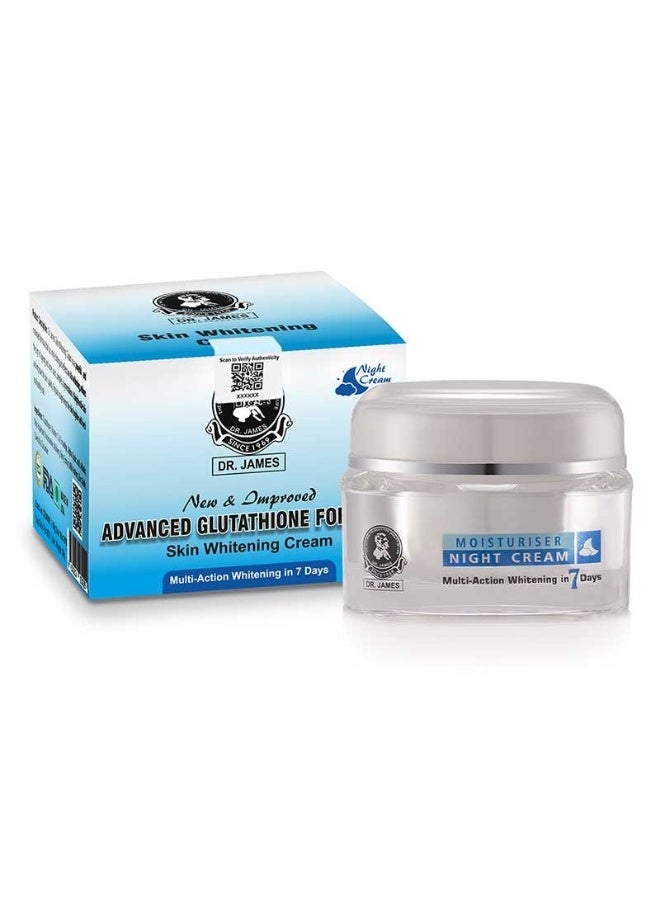
skin whitening injection
Size:20x2 ml
High levels of GLO-I have also been associated with multidrug resistance, metastasis, and poor clinical outcomes,11,12 highlighting its potential as a therapeutic target for anticancer drug development.12,13 Structurally, GLO-I is a homodimeric, zinc-dependent metalloenzyme consisting of two identical polypeptide chains of 183 amino acid residues each (Figure 2A and B).12,14 The dimer interface houses the catalytically active site and is characterized by three binding sites: a deep hydrophobic pocket, a central zinc (Zn 2+ ) ion, and a positively charged entrance (Figure 2C).12,14 The entrance is delineated by Arg37, Arg122, Lys150, and Lys156 residues, while the Zn 2+ ion is collectively stabilized by coordination with Gln33, Glu99, His126, and Glu172.12,14 Through the years, several strategies in drug discovery have been adopted to identify inhibitors of GLO-I